Habits I Noticed in South Korea: My First Cultural Shocks.
- By Farin Khatoon.
When I first arrived in South Korea as an international student, everything felt new, fast, and slightly overwhelming. The language, the pace of life, the food, and even the smallest daily habits made me realize how deeply culture shapes our routines. What I initially thought were “weird habits” slowly turned into fascinating cultural lessons.

This blog is not a judgment—just an honest sharing of my early experiences, the moments that shocked me, amused me, and eventually helped me grow.
1. Brushing Teeth After Every Meal (Yes, Everywhere!)
One of my biggest culture shocks during my initial days was seeing people carry their toothbrush and toothpaste in their bags. After breakfast, lunch, or dinner, they would calmly head to the washroom and brush their teeth—in universities, offices, cafés, and even libraries.
I still remember my first week at the university when I walked into the restroom after lunch and saw almost everyone brushing their teeth in an organized line. For a moment, I wondered if I had entered the wrong room. Coming from India, this was completely unexpected for me. But over time, I realized how deeply Koreans value oral hygiene and self-care. What felt shocking slowly started making sense.
2. Rice for Breakfast, Lunch, and Dinner
Back home, rice was mostly a lunch or dinner thing. In Korea? Rice is life.
Breakfast, lunch, dinner—rice is always there, usually accompanied by soup and several side dishes (banchan). I initially found it a bit crazy and wondered how people don’t get bored of it. But soon, I learned that the variety comes not from the rice itself, but from the soups, fermented vegetables, tofu, fish, and seasonal sides.
A funny incident I remember: once, craving something “light,” I asked what was for breakfast—only to be served rice and soup. That was the day I truly accepted that Korean food philosophy is about balance, warmth, and nourishment, not variety in carbs.
3. Dogs Living Better Than Humans (Sometimes!)
Korean dogs are not just pets—they are family members.
I was amazed to see dogs dressed in tiny jackets, sitting calmly in cafés, riding in specially designed strollers. At first, I genuinely mistook a pet stroller for a baby trolley. Later, I realized that some strollers are for babies, and others are proudly for dogs.
Once, while waiting at a bus stop, I noticed a woman gently wiping her dog’s paws after a walk, talking to it like a child. It made me smile. While this level of care felt surprising to me initially, it showed a softer side of urban Korean life—especially in a country where people often work extremely long hours.
4. Discipline as a Way of Life
What struck me the most was how disciplined and system-oriented daily life is in South Korea.
Time here is taken very seriously. If someone says 10:00 a.m., it means exactly 10:00 a.m.—not five minutes earlier, not five minutes later. This applies to classes, meetings, buses, and especially trains. I clearly remember checking the train schedule and noticing that even a two-minute delay is officially announced as “late.” Coming from a place where time is often flexible, this level of punctuality was shocking but also impressive.
People stand in neat lines, follow traffic rules strictly, keep public places clean, and respect personal space. Silence in public transport is maintained naturally—no loud phone calls, no unnecessary noise. In my early days, this discipline felt a little intimidating. I was constantly worried about doing something wrong. But slowly, I found comfort in this structure. Life felt predictable, safe, and efficient.
5. Elderly Women, Community Life, and Strength
One of the most inspiring things I noticed in Korea was how active elderly women are. I often saw older ladies going for hiking early in the morning, walking confidently with their groups, dressed in colorful hiking gear. They don’t seem isolated; instead, they have strong communities and social circles.
I found this deeply touching. Aging here didn’t look like slowing down—it looked like staying connected, active, and purposeful. Their energy challenged my own assumptions about age and strength.
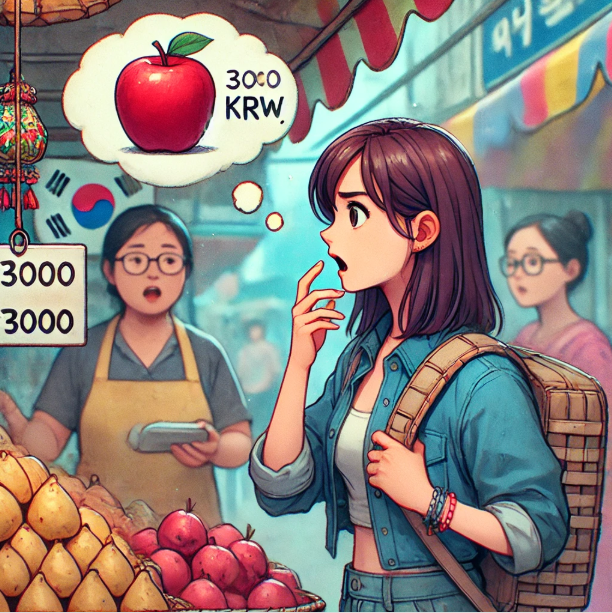
Another honest observation: I noticed more women than men in local markets, selling vegetables, fruits, and everyday items. These women looked independent, confident, and hardworking. Watching them manage stalls, negotiate with customers, and support their families gave me a quiet sense of respect. It felt empowering in a very grounded, real-life way.
6. Things I Observed Along the Way (Not Just My Experience)
While living there, I also noticed or heard stories from fellow international students that added to my understanding of Korean culture:
People often apologize even when it’s not their fault—politeness is deeply ingrained.
Convenience stores are more than stores; they are survival spaces for students.
Work and study pressure is intense, but so is the sense of responsibility.
These observations helped me understand that behind habits that look “weird” at first, there are strong cultural values—respect, cleanliness, discipline, and community.
Final Thoughts: From Shock to Acceptance
What once felt strange slowly became normal—and some habits even became admirable. Living in South Korea taught me that culture shock is not discomfort; it’s growth in disguise.
Today, when I look back, I smile at my initial confusion. Those small shocks shaped me into a more open, adaptable, and observant person. And that, perhaps, is the real beauty of studying abroad.
— Farin Khatoon
Written from personal experiences and observations while living and studying in South Korea.

Comments
Post a Comment